Understanding Marginalized Youth

Based on interviews with experienced youth workers working with marginalized youth from various countries, this research explores the challenges of supporting young people facing social, economic, and cultural barriers. The findings highlight key obstacles, effective strategies, and necessary improvements to create lasting impact. By understanding these challenges and successful approaches, better programs can be developed to empower marginalized youth.

Interviews

Analyzing the feedback from the interview questions, the youth workers described marginalized youth as young people who are disadvantaged socially, economically, culturally, or politically, often due to factors like race, ethnicity, gender, socioeconomic status, disability, sexual orientation, geographical location, or immigration status. Interviewees, particularly those working with Romani youth in the Czech Republic, commonly defined marginalized youth as individuals restricted from fully participating in society.

Findings

According to the findings from Joseline and Tomas, youth workers identified marginalized youth as those from low-income families, the LGBTQ+ community, migrant backgrounds, or minority ethnic groups, with Roma youth frequently mentioned. There was general agreement that these various factors drive exclusion from society.

More about this topic

Explore more about working with marginalized youth.

Challenges in Working with Marginalized Youth

You will learn about the different challenges youth workers experience when working with marginalized youth.

Best Practices for Supporting Marginalized Youth

You will learn the recommended strategies and approaches that will help your encounter with marginalized youth.

Essential Steps for Improvement

You will know what needs to be improved when working with marginalized youth to make your work more meaningful.

Our Purpose

This is the purpose of Mosaic of Minds—to empower youth workers with the knowledge, skills, and resources needed to create safe spaces where marginalized youth can thrive. We have to be aware of these practices, strategies, and challenges to see which parts need improvement resulting in a better overall strategy. Our goal is to equip professionals with the right tools and strategies and aim to ensure that every young person, regardless of their background, feels valued, heard, and supported.

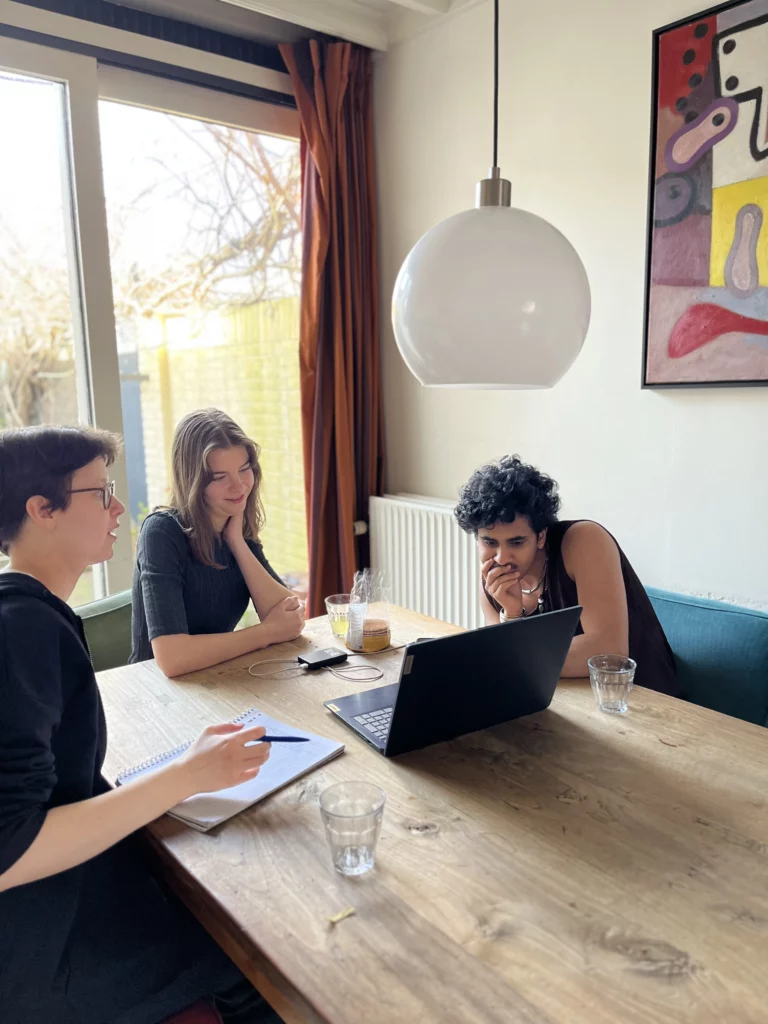
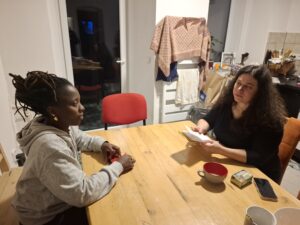
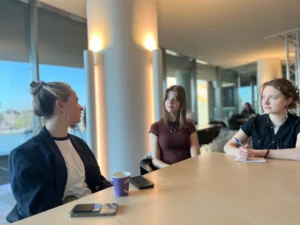
Eleanor and Juno interviewing Raidan
Juno and Eleanor interviewing Raidan
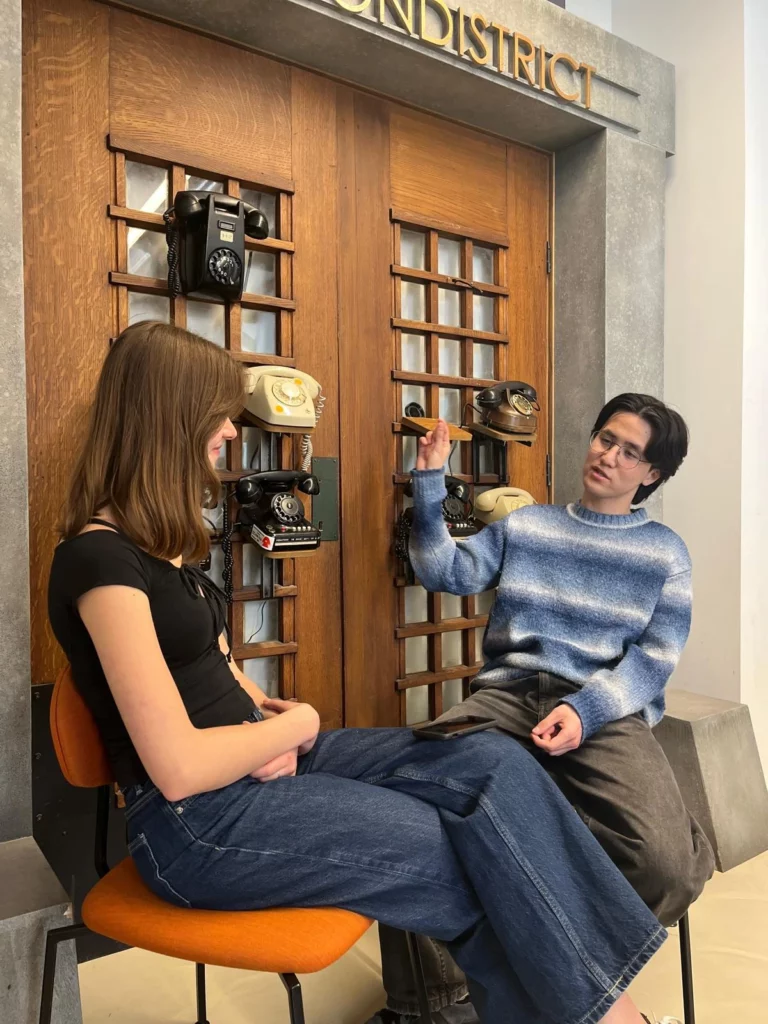
Eleanor interviewing Muzzy
Eleanor and Ace
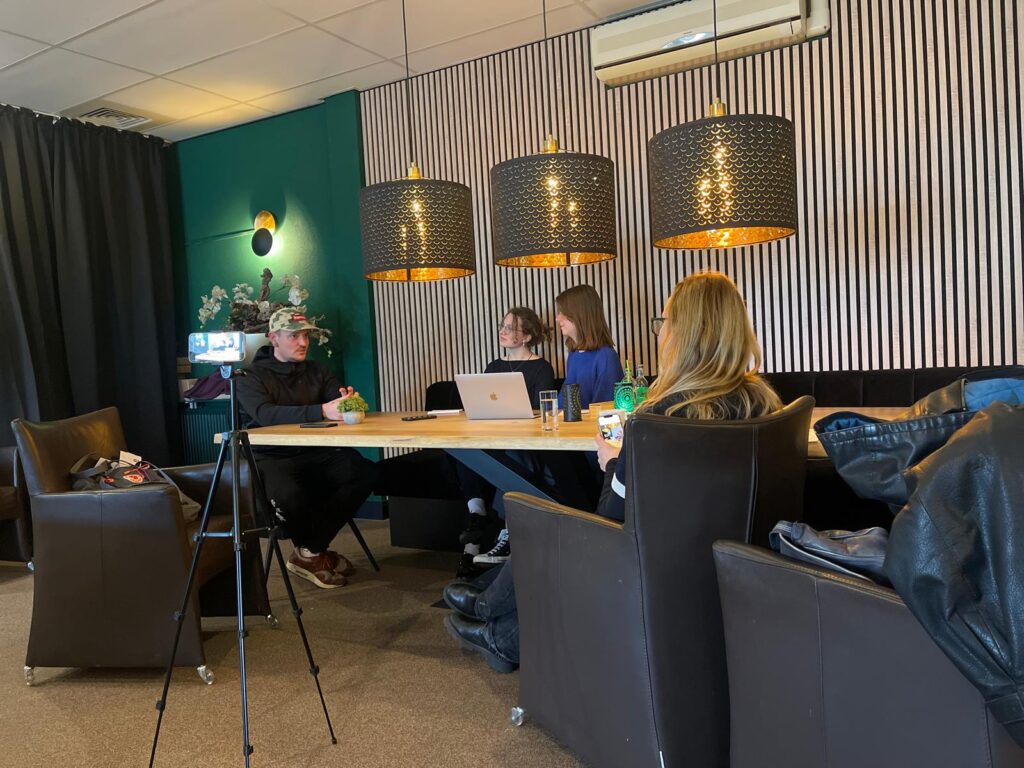
Ace, Eleanor, and Katerina’s interview with Dirk

Scroll to Top